Delia Cachora Ortiz
Day of the DeadDelia Cachora Ortiz is a Tohono O’odham tribal attorney whose return to the reservation and professional life are tied to Fat Crack Ortiz, the man who helped make her family’s escape possible. She is capable and publicly forceful, yet her story is shaped by private guilt and by a family conflict in which gratitude, resentment, and fear of another loss pull against one another. At forty-three, pregnant after a previous late-term miscarriage, she is also preparing for a new child while trying to keep her work and family obligations in order.
Identity and Background
Delia works as a tribal attorney and is married to Leo Ortiz. Her commitment to the work is practical as well as personal: she comes into her office on a Saturday even though she usually would not, because the tribal council is due to consider the office’s budget proposal the week after her baby is expected. She is determined to get ahead of the work before the birth, though the effort means managing her computer and desk around her pregnancy.
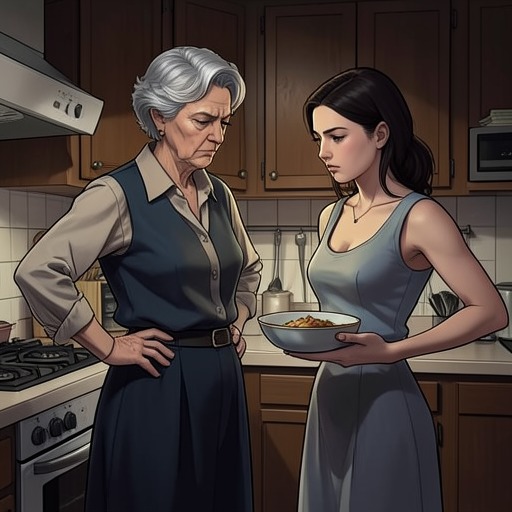
Her present life follows an earlier departure from home. As a seven-year-old, she was frightened when her mother, Ellie Chavez, prepared to leave so she could pursue a teacher-training program at Arizona State University. Delia asked whether she and her brother, Eddie, could remain with their father or their aunt Julia instead. Years later, she and her mother fled Manny Chavez’s house. Fat Crack Ortiz helped make that escape possible; he later hired Delia and brought her back to the reservation. She understands that much of what she values, both good and bad, traces back to his intervention, a history that makes her later resentment of his other godchildren especially difficult to reconcile.
Pregnancy and Family
Delia’s current pregnancy is not her first. At forty, she had lost a son, Adam, in a miscarriage during the sixth month. She felt the loss deeply, but Leo was heartbroken. At his insistence, and partly because they were Catholic, the couple had not used birth control. Three years later, Delia found herself pregnant again, at forty-three, with another boy.
The earlier loss makes her cautious about naming the baby. Leo wants them to choose a name, but Delia resists because she had named Adam before losing him and fears that naming this child too soon might invite the same outcome. When the baby kicks, she welcomes the movement as reassurance that he is active and eager to arrive. The scene places her professional planning beside an intimate, continuing apprehension: she is trying to prepare for a child while protecting herself from the fear that preparation could be followed by loss.
Fat Crack Ortiz, Lani Walker, and Resentment
Delia’s bond with Fat Crack Ortiz is founded on more than her marriage into his family. She recognizes that he made her escape possible and later gave her a way back to the reservation through employment. He is also Leo’s father and the grandfather of the child she is carrying. These connections make him central to her life, even as they sharpen her concern that Leo is being displaced within his own family.
That tension surfaces when Delia sees an email from Lani Walker asking about Fat Crack’s declining health and whether she should come home early. Delia knows the concern is genuine and is worried about him herself, but the message provokes resentment. She regards Lani and Davy as outsiders to the place occupied by Leo and Richard, Fat Crack and Wanda Ortiz’s sons. Her irritation is not simply a judgment about Lani’s concern: it is bound up with Delia’s sense that Leo is being pushed aside in his own family.
Delia’s feelings also have a public history. She has heard that Lani may become both a medicine woman and a doctor, but, after spending many years in the Anglo world, she has little faith in the medicine-woman tradition. She does, however, take seriously Fat Crack’s plan to help Lani become a physician who could serve the reservation. Delia accepts that the Tohono O’odham need health professionals whose first loyalty is to the community; her objection is that tribal funds should not pay for the education of a student whose parents could afford the tuition.
As tribal attorney, she argued that case before the tribal council. Fat Crack was then tribal chairman, and Delia’s public opposition ended in a public defeat that stirred the reservation and left lasting friction between her and her in-laws. The dispute reveals a real division in her position: she supports the need for community-based health care but rejects the way Fat Crack proposes to fund Lani’s education. Her policy argument and her family resentment become entangled, coloring later encounters with Fat Crack and Wanda.
Guilt and the Chapel at Topawa
After reading Lani’s message, Delia sends a reply saying that Gabe Ortiz is fine and that there is no need for Lani to hurry home. She knows he is dying. The reassurance is therefore not an innocent misunderstanding but a deliberate attempt to keep Lani away, made in a moment of anger that Delia herself recognizes could worsen matters with her father-in-law. She sends the message before reconsidering, then finds herself too upset to continue working and leaves the office.
She drives to the small chapel at Topawa, where her mother had sought refuge and comfort more than thirty-five years earlier. Delia goes there for relief from a persistent burden of guilt. The choice of place connects her present conflict to the family’s earlier history: the chapel is part of a past shaped by departure and refuge, while Fat Crack is the person whose help made escape and return possible. Delia’s story holds these debts together without resolving them. She can recognize the importance of Lani’s concern and the value of Fat Crack’s plans, yet still act from resentment; she can acknowledge the family bond while fearing that Leo will be overlooked. Her pregnancy and her unfinished conflict leave her balancing care for the people around her with the guilt and apprehension she carries herself.